稲
See also: 稻
| ||||||||
Translingual
Glyph origin
Variant of 稻. The component 旧 is a variant of 臼.
The Japanese usage is of reform (shinjitai) nature.
Han character
稲 (radical 115 禾+9, 14 strokes, cangjie input 竹木月中日 (HDBLA), composition ⿰禾⿱爫旧)
References
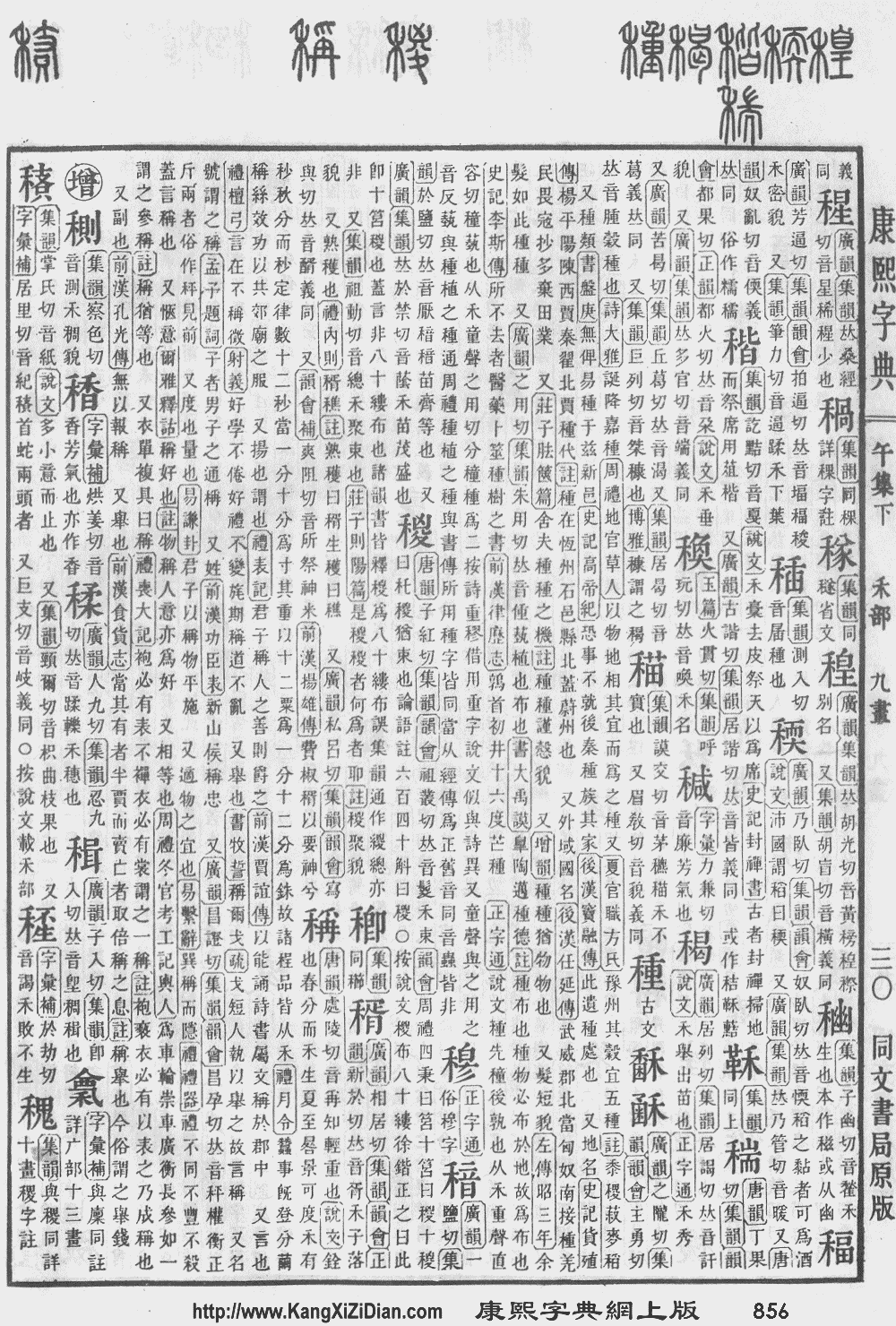
- KangXi: not present, would follow page 856, character 32
- Dai Kanwa Jiten: character 25187
- Dae Jaweon: page 1282, character 11
- Hanyu Da Zidian: volume 4, page 2618, character 6
- Unihan data for U+7A32
Chinese
| For pronunciation and definitions of 稲 – see 稻 (“paddy; rice”). (This character, 稲, is a variant form of 稻.) |
Japanese
| 稲 | |
| 稻 |
Kanji
稲
(common “Jōyō” kanji, shinjitai kanji, kyūjitai form 稻)
- rice (plant)
Readings
Etymology 1
| Kanji in this term |
|---|
| 稲 |
| いね Grade: S |
| kun’yomi |
Possibly from 稲 (shine). See Etymology 2 for more details.
Pronunciation
Noun
稲 (shinjitai kanji, kyūjitai kanji 稻, hiragana いね, katakana イネ, rōmaji ine)
- rice (plant)
Etymology 2
Often found in compounds. The initial s- either represents epenthesis or, more likely, is a reflex of an older form of the word 稲 (ine, “rice”) maintained in fossilized compounds. See also 春雨 (harusame, “spring rain”) and 小雨 (kosame, “light rain”).
Noun
稲 (shinjitai kanji, kyūjitai kanji 稻, hiragana しね, rōmaji shine)
References
Korean
Hanja
稲 • (do) (hangeul 도, revised do, McCune–Reischauer to, Yale to)
- This term needs a translation to English. Please help out and add a translation, then remove the text
{{rfdef}}.
This article is issued from
Wiktionary.
The text is licensed under Creative Commons - Attribution - Sharealike.
Additional terms may apply for the media files.