禅
| ||||||||
Translingual
| 禪 | |
| 禅 | |
| 禅 | |
| 禪 |
Glyph origin
Simplified from 禪.
Han character
禅 (radical 113 示+9, 13 strokes, cangjie input 戈火金田十 (IFCWJ), composition ⿰礻単(J) or ⿰礻单(G))
References
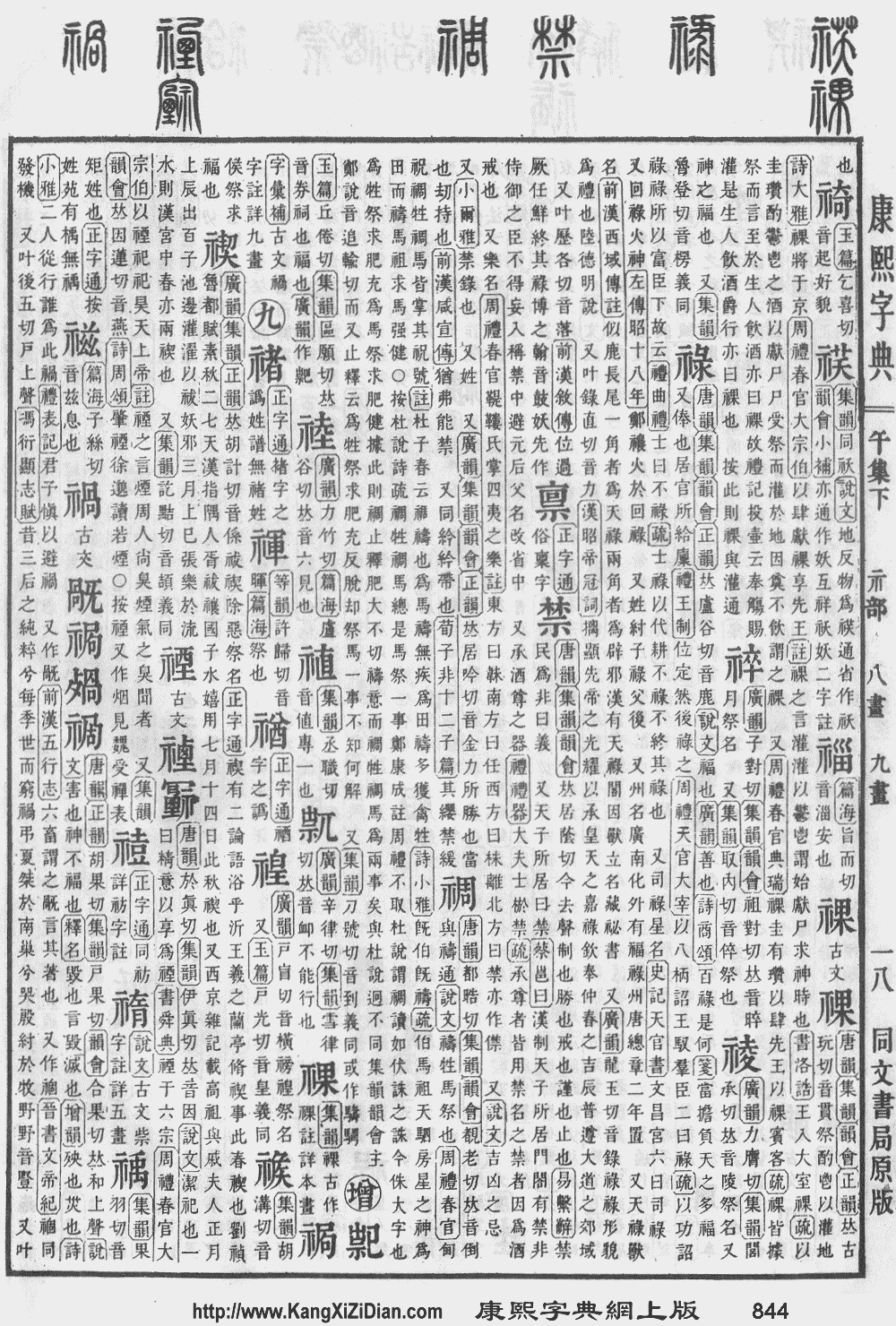
- KangXi: not present, would follow page 844, character 17
- Dai Kanwa Jiten: character 24787
- Dae Jaweon: page 1265, character 8
- Hanyu Da Zidian: volume 4, page 2402, character 7
- Unihan data for U+7985
Chinese
| For pronunciation and definitions of 禅 – see 禪 (“dhyana; deep meditation; contemplation; Buddhist doctrine; Buddhist teachings; etc.”). (This character, 禅, is the simplified and variant form of 禪.) |
Notes:
|
Japanese
| 禅 | |
| 禪 |
Kanji
禅
(common “Jōyō” kanji, shinjitai kanji, kyūjitai form 禪)
Readings
Compounds
Compounds
- 禅門 (zenmon)
- 禅問答 (zenmondō)
- 禅林 (zenrin)
- 吹禅 (suizen): blowing meditation
- 坐禅 (zazen), 座禅 (zazen): sitting meditation
- 野狐禅 (yakozen): someone who has not fully attained enlightenment, but puts on airs and becomes self-important as if they have
Etymology
| Kanji in this term |
|---|
| 禅 |
| ぜん Grade: S |
| on’yomi |
Shortened from 禅那 (zenna, “Zen meditation practice”), from Middle Chinese 禪那 (MC d͡ʑiᴇn nɑ), from Sanskrit ध्यान (dhyāna, “a type of meditation”); compare Pali झान (jhāna).
Pronunciation
Proper noun
禅 (shinjitai kanji, kyūjitai kanji 禪, hiragana ぜん, rōmaji Zen)
Synonyms
References
Korean
Hanja
禅 • (seon) (hangeul 선, revised seon, McCune–Reischauer sŏn, Yale sen)
- This term needs a translation to English. Please help out and add a translation, then remove the text
{{rfdef}}.
This article is issued from
Wiktionary.
The text is licensed under Creative Commons - Attribution - Sharealike.
Additional terms may apply for the media files.