ঠগা
Assamese
Pronunciation
- IPA(key): /tʰɔ.ɡa/
Etymology 1
| Assamese verb set |
|---|
| ঠগা (thoga) |
| ঠগোৱা (thogüa) |
| ঠগোওৱা (thogüüa) |
Cognite with Hindustani ٹھگنا / ठगना (ṭhagnā).
Adjective
ঠগা • (thoga)
Verb
ঠগা • (thoga) (transitive)
- to cheat, trick, deceive
- Synonyms: ভঁৰা (bhõra), ভাঁৰা (bhãra), চকুত ধূলি মৰা (sokut dhuli mora), চকুত ধূলি মাৰা (sokut dhuli mara), ছল কৰা (sol kora), ফাংবাজী মৰা (phaṅbazi mora), ফাংবাজী মাৰা (phaṅbazi mara), এপাহ মৰা (epah mora), এপাহ মাৰা (epah mara), টেপাই মৰা (tepai mora), টেপাই মাৰা (tepai mara)
Conjunction
Impersonal of ঠগা
| Affirmative (+) | Negative (-) | |
|---|---|---|
| Stem | ঠগ thog |
নঠগ nothog |
| Verbal noun | ঠগা thoga |
নঠগা nothoga |
| Infinitive | ঠগিব thogibo |
নঠগিব nothogibo |
| Goal | ঠগিবলৈ thogiboloi |
নঠগিবলৈ nothogiboloi |
| Agentive | ঠগোঁতা thogü̃ta |
নঠগোঁতা nothogü̃ta |
| Converb | ঠগোঁতে thogü͂te |
নঠগোঁতে nothogü͂te |
| Progressive participle | ঠগোঁতে-ঠগোঁতে thogü͂te-thogü͂te |
নঠগোঁতে-নঠগোঁতে nothogü͂te-nothogü͂te |
| Conditional participle | ঠগিলে thogile |
নঠগিলে nothogile |
| Perfect participle | ঠগি thogi |
নঠগি nothogi |
| Habitual participle | ঠগি-ঠগি thogi-thogi |
নঠগি-নঠগি nothogi-nothogi |
Conjugation of ঠগা
| Person | First person | Second person | Third person | ||||
|---|---|---|---|---|---|---|---|
| Very faml. & Inferior |
Familiar | Honorific | |||||
| Singular | মই moi |
তই toi |
তুমি tumi |
আপুনি apuni |
তেওঁ teü͂ | ||
| Plural | i | আমি ami |
তহঁত tohõt |
তোমালোক tümalük |
আপোনালোক apünalük |
তেওঁলোক teü͂lük | |
| t | তহঁতে tohõte |
তোমালোকে tümalüke |
আপোনালোকে apünalüke |
তেওঁলোকে teü͂lüke | |||
| Present | |||||||
| Habitual & Indicative |
+ | ঠগোঁ thogü͂ |
ঠগ thogo |
ঠগা thoga |
ঠগে thoge | ||
| - | নঠগোঁ nothogü͂ |
নঠগ nothogo |
নঠগা nothoga |
নঠগে nothoge | |||
| Continuous | + | ঠগি আছোঁ thogi asü͂ |
ঠগি আছ thogi aso |
ঠগি আছা thogi asa |
ঠগি আছে thogi ase | ||
| - | e | ঠগি থকা নাই thogi thoka nai | |||||
| c | ঠগি থাকা নাই thogi thaka nai | ||||||
| Present perfective |
+ | ঠগিছোঁ thogisü͂ |
ঠগিছ thogiso |
ঠগিছা thogisa |
ঠগিছে thogise | ||
| - | ঠগা নাই thoga nai | ||||||
| Past | |||||||
| Recent past | + | ঠগিলোঁ thogilü͂ |
ঠগিলি thogili |
ঠগিলা thogila |
ঠগিলে thogile | ||
| - | নঠগিলোঁ nothogilü͂ |
নঠগিলি nothogili |
নঠগিলা nothogila |
নঠগিলে nothogile | |||
| Habitual & Indicative |
+ | ঠগিছিলোঁ thogilü͂ |
ঠগিছিলি thogili |
ঠগিছিলা thogisila |
ঠগিছিলে thogisile | ||
| - | নঠগিছিলোঁ nothogisilü͂ or ঠগা নাছিলোঁ thoga nasilü͂ |
নঠগিছিলি nothogisili or ঠগা নাছিলি thoga nasili |
নঠগিছিলা nothogisila or ঠগা নাছিলা thoga nasila |
নঠগিছিলে nothogisile or ঠগা নাছিলে thoga nasile | |||
| Continuous | + | ঠগি আছিলোঁ thogi asilü͂ |
ঠগি আছিলি thogi asili |
ঠগি আছিলা thogi asila |
ঠগি আছিলে thogi asile | ||
| - | e | ঠগি থকা নাছিলোঁ thogi thoka nasilü͂ |
ঠগি থকা নাছিলি thogi thoka nasili |
ঠগি থকা নাছিলা thogi thoka nasila |
ঠগি থকা নাছিলে thogi thoka nasile | ||
| c | ঠগি থাকা নাছিলোঁ thogi thaka nasilü͂ |
ঠগি থাকা নাছিলি thogi thaka nasili |
ঠগি থাকা নাছিলা thogi thaka nasila |
ঠগি থাকা নাছিলে thogi thaka nasile | |||
| Future | |||||||
| Indicative | + | ঠগিম thogim |
ঠগিবি thogibi |
ঠগিবা thogiba |
ঠগিব thogibo | ||
| - | নঠগিম nothogim |
নঠগিবি nothogibi |
নঠগিবা nothogiba |
নঠগিব nothogibo | |||
| Continuous | + | ঠগি থাকিম thogi thakim |
ঠগি থাকিবি thogi thakibi |
ঠগি থাকিবা thogi thakiba |
ঠগি থাকিব thogi thakibo | ||
| - | e | ঠগি নেথাকিম thogi nethakim |
ঠগি নেথাকিবি thogi nethakibi |
ঠগি নেথাকিবা thogi nethakiba |
ঠগি নেথাকিব thogi nethakibo | ||
| c | ঠগি নাথাকিম thogi nathakim |
ঠগি নাথাকিবি thogi nathakibi |
ঠগি নাথাকিবা thogi nathakiba |
ঠগি নাথাকিব thogi nathakibo | |||
| Imperative | + | — | ঠগ thog |
— | ঠগক thogok | ||
| - | — | নঠগিবি nothogibi |
নঠগিবা nothogiba |
নঠগিব nothogibo | |||
| ❋ Note 1: i = for intransitive verbs, t = for transitive verbs. The suffix -এ (-e) marks ergative case. | |||||||
| ❋ Note 2: e = Eastern Standard Assamese, c = Central Standard Assamese. | |||||||
| ❋ Note 3: For intransitive verbs like যোৱা (züa, “to go”) the 3rd person suffix -এ (-e) in past tense is less commonly used. | |||||||
| ❋ Note 4: Other 3rd person pronouns have the same conjugation. Click here to see other personal pronouns. | |||||||
Related terms
Terms related to ঠগা
|
|
Etymology 2
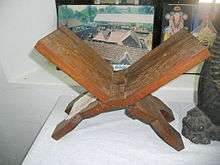
Noun
ঠগা • (thoga)
Declension
Inflection of ঠগা
| Indefinite forms | Definite forms | ||||||||
|---|---|---|---|---|---|---|---|---|---|
| numeral | non-numeral (plural) | ||||||||
| singular | plural | informal | |||||||
| absolutive | ঠগা thoga |
ঠগাখন thogakhon |
ঠগাকেইখন thogakeikhon |
ঠগাবোৰ thogabür |
ঠগাবিলাক thogabilak | ||||
| ergative | ঠগাই thogai |
ঠগাখনে thogakhone |
ঠগাকেইখনে thogakeikhone |
ঠগাবোৰে thogabüre |
ঠগাবিলাকে thogabilake | ||||
| accusative | ঠগাক thogak |
ঠগাখনক thogakhonok |
ঠগাকেইখনক thogakeikhonok |
ঠগাবোৰক thogabürok |
ঠগাবিলাকক thogabilakok | ||||
| genitive | ঠগাৰ thogar |
ঠগাখনৰ thogakhonor |
ঠগাকেইখনৰ thogakeikhonor |
ঠগাবোৰৰ thogabüror |
ঠগাবিলাকৰ thogabilakor | ||||
| dative | ঠগালৈ thogaloi |
ঠগাখনলৈ thogakhonoi |
ঠগাকেইখনলৈ thogakeikhonoi |
ঠগাবোৰলৈ thogabüroloi |
ঠগাবিলাকলৈ thogabilakoloi | ||||
| instrumental | ঠগাৰে thogare |
ঠগাখনেৰে thogakhonere |
ঠগাকেইখনেৰে thogakeikhonere |
ঠগাবোৰেৰে thogabürere |
ঠগাবিলাকেৰে thogabilakere | ||||
| locative | ঠগাত thogat |
ঠগাখনত thogakhonot |
ঠগাকেইখনত thogakeikhonot |
ঠগাবোৰত thogabürot |
ঠগাবিলাকত thogabilakot | ||||
| Accusative Note: -অক (-ok) is used for animate sense. No case marking is used for inanimate sense. Dative Note 1: In some dialects -অলৈ (-oloi)'s variant -অলে (-ole) is used instead. Dative Note 2: Sometimes -অক (-ok) marks this case instead of -অলৈ (-oloi). Dative Note 3: In some dialects -অত (-ot) or -অক (-ok) marks this case instead of -অলৈ (-oloi). Instrumental Note: In some dialects -এদি (-edi) marks this case instead of -এৰে (-ere). | |||||||||
Related terms
Terms related to ঠগা
|
|
This article is issued from
Wiktionary.
The text is licensed under Creative Commons - Attribution - Sharealike.
Additional terms may apply for the media files.