ميناء
Arabic
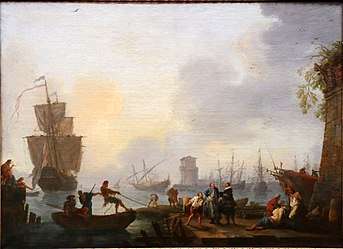
مِينَاء
Etymology 1
From Egyptian mjnwt (“harbor”) or mjnt (“mooring post”) related to Egyptian mjnj (“to moor”).[1][2]
Alternative forms
- مِينَة (mīna)
Pronunciation
- IPA(key): /miː.naːʔ/
Noun
مِينَاء • (mīnāʾ) m (plural مَوَانٍ (mawānin) or مَوَانِئ (mawāniʾ) or مِيَن (miyan))
Declension
Declension of noun مِينَاء (mīnāʾ)
| Singular | basic singular triptote | ||
|---|---|---|---|
| Indefinite | Definite | Construct | |
| Informal | مِينَاء mīnāʾ |
الْمِينَاء al-mīnāʾ |
مِينَاء mīnāʾ |
| Nominative | مِينَاءٌ mīnāʾun |
الْمِينَاءُ al-mīnāʾu |
مِينَاءُ mīnāʾu |
| Accusative | مِينَاءً mīnāʾan |
الْمِينَاءَ al-mīnāʾa |
مِينَاءَ mīnāʾa |
| Genitive | مِينَاءٍ mīnāʾin |
الْمِينَاءِ al-mīnāʾi |
مِينَاءِ mīnāʾi |
| Dual | Indefinite | Definite | Construct |
| Informal | مِينَاءَيْن mīnāʾayn |
الْمِينَاءَيْن al-mīnāʾayn |
مِينَاءَيْ mīnāʾay |
| Nominative | مِينَاءَانِ mīnāʾāni |
الْمِينَاءَانِ al-mīnāʾāni |
مِينَاءَا mīnāʾā |
| Accusative | مِينَاءَيْنِ mīnāʾayni |
الْمِينَاءَيْنِ al-mīnāʾayni |
مِينَاءَيْ mīnāʾay |
| Genitive | مِينَاءَيْنِ mīnāʾayni |
الْمِينَاءَيْنِ al-mīnāʾayni |
مِينَاءَيْ mīnāʾay |
| Plural | broken plural diptote in ـٍ (-in); basic broken plural diptote; basic broken plural triptote | ||
| Indefinite | Definite | Construct | |
| Informal | مَوَانِي; مَوَانِئ; مِيَن mawānī; mawāniʾ; miyan |
الْمَوَانِي; الْمَوَانِئ; الْمِيَن al-mawānī; al-mawāniʾ; al-miyan |
مَوَانِي; مَوَانِئ; مِيَن mawānī; mawāniʾ; miyan |
| Nominative | مَوَانٍ; مَوَانِئُ; مِيَنٌ mawānin; mawāniʾu; miyanun |
الْمَوَانِي; الْمَوَانِئُ; الْمِيَنُ al-mawānī; al-mawāniʾu; al-miyanu |
مَوَانِي; مَوَانِئُ; مِيَنُ mawānī; mawāniʾu; miyanu |
| Accusative | مَوَانِيَ; مَوَانِئَ; مِيَنًا mawāniya; mawāniʾa; miyanan |
الْمَوَانِيَ; الْمَوَانِئَ; الْمِيَنَ al-mawāniya; al-mawāniʾa; al-miyana |
مَوَانِيَ; مَوَانِئَ; مِيَنَ mawāniya; mawāniʾa; miyana |
| Genitive | مَوَانٍ; مَوَانِئَ; مِيَنٍ mawānin; mawāniʾa; miyanin |
الْمَوَانِي; الْمَوَانِئِ; الْمِيَنِ al-mawānī; al-mawāniʾi; al-miyani |
مَوَانِي; مَوَانِئِ; مِيَنِ mawānī; mawāniʾi; miyani |
References
- “ميناء” in J.A. Haywood and H.M. Nahmad (1965), A new Arabic grammar (second edition), London: Lund Humphries, →ISBN
- Wehr, Hans (1979), “ميناء”, in J. Milton Cowan, editor, A Dictionary of Modern Written Arabic, 4th edition, Ithaca, NY: Spoken Language Services, →ISBN
- ↑ Budge, E. A. Wallis (1920), “menȧ”, in An Egyptian Hieroglyphic Dictionary, London: J. Murray, page 300, meaning to tie a boat to land.
- ↑ Lane, Edward William (1863), “ميناء”, in Arabic-English Lexicon, London: Williams & Norgate, page 3061, suggesting it is an ancient Egyptian word in origin.
Etymology 2
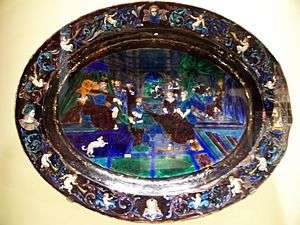
مِينَاء
From م ن ء (m-n-ʾ), meaning tanning liquid, ooze, used in first stage of tanning to treat the hide[1]; potentially from م ء ن (m-ʾ-n), meaning to sustain a burden, an animal's back or hump, hence the meaning of hide.[2]
Alternative forms
- مِينَا (mīnā)
Pronunciation
- IPA(key): /miː.naːʔ/
Noun
مِينَاء • (mīnāʾ) m (plural مَوَانِئ (mawāniʾ))
Declension
Declension of noun مِينَاء (mīnāʾ)
| Singular | basic singular triptote | ||
|---|---|---|---|
| Indefinite | Definite | Construct | |
| Informal | مِينَاء mīnāʾ |
الْمِينَاء al-mīnāʾ |
مِينَاء mīnāʾ |
| Nominative | مِينَاءٌ mīnāʾun |
الْمِينَاءُ al-mīnāʾu |
مِينَاءُ mīnāʾu |
| Accusative | مِينَاءً mīnāʾan |
الْمِينَاءَ al-mīnāʾa |
مِينَاءَ mīnāʾa |
| Genitive | مِينَاءٍ mīnāʾin |
الْمِينَاءِ al-mīnāʾi |
مِينَاءِ mīnāʾi |
| Dual | Indefinite | Definite | Construct |
| Informal | مِينَاءَيْن mīnāʾayn |
الْمِينَاءَيْن al-mīnāʾayn |
مِينَاءَيْ mīnāʾay |
| Nominative | مِينَاءَانِ mīnāʾāni |
الْمِينَاءَانِ al-mīnāʾāni |
مِينَاءَا mīnāʾā |
| Accusative | مِينَاءَيْنِ mīnāʾayni |
الْمِينَاءَيْنِ al-mīnāʾayni |
مِينَاءَيْ mīnāʾay |
| Genitive | مِينَاءَيْنِ mīnāʾayni |
الْمِينَاءَيْنِ al-mīnāʾayni |
مِينَاءَيْ mīnāʾay |
| Plural | basic broken plural diptote | ||
| Indefinite | Definite | Construct | |
| Informal | مَوَانِئ mawāniʾ |
الْمَوَانِئ al-mawāniʾ |
مَوَانِئ mawāniʾ |
| Nominative | مَوَانِئُ mawāniʾu |
الْمَوَانِئُ al-mawāniʾu |
مَوَانِئُ mawāniʾu |
| Accusative | مَوَانِئَ mawāniʾa |
الْمَوَانِئَ al-mawāniʾa |
مَوَانِئَ mawāniʾa |
| Genitive | مَوَانِئَ mawāniʾa |
الْمَوَانِئِ al-mawāniʾi |
مَوَانِئِ mawāniʾi |
References
- Wehr, Hans (1979), “مينا”, in J. Milton Cowan, editor, A Dictionary of Modern Written Arabic, 4th edition, Ithaca, NY: Spoken Language Services, →ISBN
- ↑ Lane, Edward William (1863), “منأ”, in Arabic-English Lexicon, London: Williams & Norgate, page 2737, meaning the first stage of tanning, tanning liquid or ooze, a hide remaining in such a liquid
- ↑ Lane, Edward William (1863), “مأن”, in Arabic-English Lexicon, London: Williams & Norgate, page 3016, meaning to sustain a burden, to maintain, a camel's hump, an animals belly, a hide.
This article is issued from
Wiktionary.
The text is licensed under Creative Commons - Attribution - Sharealike.
Additional terms may apply for the media files.