كوسا
Arabic
Etymology
From Sumerian 𒄾 (ukuš2, “cucumber”), likely via Akkadian 𒄾 (qiššû, “cucumber”); doublet of قِثَّاء (qiṯṯāʾ), قُثَّاء (quṯṯāʾ, “Armenian cucumber”); compare with Ancient Greek κυκυος (kukuos) and Latin cucumis.
All plants of Cucurbita spec., zucchini included, are New World plants only introduced to the Old World after the discovery of the Americas; the Arabic term is applied from its similar appearance to its Old World relatives in the genus Cucumis.
Pronunciation
- IPA(key): /kuː.saː/
Noun
كُوسَا • (kūsā) f
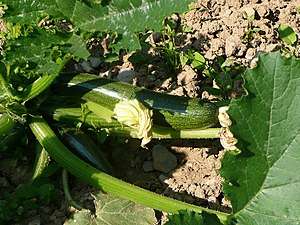
- zucchini (“vegetable”)
Declension
Declension of noun كُوسَا (kūsā)
| Singular | singular invariable | ||
|---|---|---|---|
| Indefinite | Definite | Construct | |
| Informal | كُوسَا kūsā |
الْكُوسَا al-kūsā |
كُوسَا kūsā |
| Nominative | كُوسَا kūsā |
الْكُوسَا al-kūsā |
كُوسَا kūsā |
| Accusative | كُوسَا kūsā |
الْكُوسَا al-kūsā |
كُوسَا kūsā |
| Genitive | كُوسَا kūsā |
الْكُوسَا al-kūsā |
كُوسَا kūsā |
References
- The Pennsylvania Sumerian Dictionary, ukuš, University of Pennsylvania, 2004
This article is issued from
Wiktionary.
The text is licensed under Creative Commons - Attribution - Sharealike.
Additional terms may apply for the media files.