قثاء
Arabic
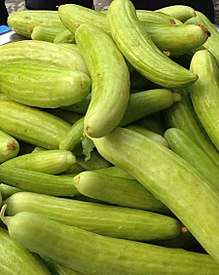
قِثَّاء
Etymology
- From Sumerian 𒄾 (ukuš2, “cucumber”) through Akkadian 𒄾 (qiššû, “cucumber”), doublet of كُوسَا (kūsā, “zucchini”).
- Leonid Kogan lists a Proto-Semitic form but this is hardly likely in view of the Sumerian and the phonetic variance of the word in the Semitic languages, see Ge'ez ቍሳይ (ḳʷəsay), ቈስያ (ḳʷäsya, “cucumber”), Hebrew קשוא (qiššūʾ, “cucumber”), Classical Syriac ܩܰܛܽܘܬܳܐ (qaṭṭūtā, “cucumber”).
Pronunciation
Noun
قِثَّاء or قُثَّاء • (qiṯṯāʾ or quṯṯāʾ) m (collective, singulative قِثَّاءَة (qiṯṯāʾa) or قُثَّاءَة (quṯṯāʾa))
- Cucumis in general
- Armenian cucumber
Declension
Declension of noun قِثَّاء (qiṯṯāʾ); قُثَّاء (quṯṯāʾ)
| Collective | basic collective triptote | ||
|---|---|---|---|
| Indefinite | Definite | Construct | |
| Informal | قِثَّاء; قُثَّاء qiṯṯāʾ; quṯṯāʾ |
الْقِثَّاء; الْقُثَّاء al-qiṯṯāʾ; al-quṯṯāʾ |
قِثَّاء; قُثَّاء qiṯṯāʾ; quṯṯāʾ |
| Nominative | قِثَّاءٌ; قُثَّاءٌ qiṯṯāʾun; quṯṯāʾun |
الْقِثَّاءُ; الْقُثَّاءُ al-qiṯṯāʾu; al-quṯṯāʾu |
قِثَّاءُ; قُثَّاءُ qiṯṯāʾu; quṯṯāʾu |
| Accusative | قِثَّاءً; قُثَّاءً qiṯṯāʾan; quṯṯāʾan |
الْقِثَّاءَ; الْقُثَّاءَ al-qiṯṯāʾa; al-quṯṯāʾa |
قِثَّاءَ; قُثَّاءَ qiṯṯāʾa; quṯṯāʾa |
| Genitive | قِثَّاءٍ; قُثَّاءٍ qiṯṯāʾin; quṯṯāʾin |
الْقِثَّاءِ; الْقُثَّاءِ al-qiṯṯāʾi; al-quṯṯāʾi |
قِثَّاءِ; قُثَّاءِ qiṯṯāʾi; quṯṯāʾi |
| Singulative | singulative triptote in ـَة (-a) | ||
| Indefinite | Definite | Construct | |
| Informal | قِثَّاءَة; قُثَّاءَة qiṯṯāʾa; quṯṯāʾa |
الْقِثَّاءَة; الْقُثَّاءَة al-qiṯṯāʾa; al-quṯṯāʾa |
قِثَّاءَة; قُثَّاءَة qiṯṯāʾat; quṯṯāʾat |
| Nominative | قِثَّاءَةٌ; قُثَّاءَةٌ qiṯṯāʾatun; quṯṯāʾatun |
الْقِثَّاءَةُ; الْقُثَّاءَةُ al-qiṯṯāʾatu; al-quṯṯāʾatu |
قِثَّاءَةُ; قُثَّاءَةُ qiṯṯāʾatu; quṯṯāʾatu |
| Accusative | قِثَّاءَةً; قُثَّاءَةً qiṯṯāʾatan; quṯṯāʾatan |
الْقِثَّاءَةَ; الْقُثَّاءَةَ al-qiṯṯāʾata; al-quṯṯāʾata |
قِثَّاءَةَ; قُثَّاءَةَ qiṯṯāʾata; quṯṯāʾata |
| Genitive | قِثَّاءَةٍ; قُثَّاءَةٍ qiṯṯāʾatin; quṯṯāʾatin |
الْقِثَّاءَةِ; الْقُثَّاءَةِ al-qiṯṯāʾati; al-quṯṯāʾati |
قِثَّاءَةِ; قُثَّاءَةِ qiṯṯāʾati; quṯṯāʾati |
| Dual | Indefinite | Definite | Construct |
| Informal | قِثَّاءَتَيْن; قُثَّاءَتَيْن qiṯṯāʾatayn; quṯṯāʾatayn |
الْقِثَّاءَتَيْن; الْقُثَّاءَتَيْن al-qiṯṯāʾatayn; al-quṯṯāʾatayn |
قِثَّاءَتَيْ; قُثَّاءَتَيْ qiṯṯāʾatay; quṯṯāʾatay |
| Nominative | قِثَّاءَتَانِ; قُثَّاءَتَانِ qiṯṯāʾatāni; quṯṯāʾatāni |
الْقِثَّاءَتَانِ; الْقُثَّاءَتَانِ al-qiṯṯāʾatāni; al-quṯṯāʾatāni |
قِثَّاءَتَا; قُثَّاءَتَا qiṯṯāʾatā; quṯṯāʾatā |
| Accusative | قِثَّاءَتَيْنِ; قُثَّاءَتَيْنِ qiṯṯāʾatayni; quṯṯāʾatayni |
الْقِثَّاءَتَيْنِ; الْقُثَّاءَتَيْنِ al-qiṯṯāʾatayni; al-quṯṯāʾatayni |
قِثَّاءَتَيْ; قُثَّاءَتَيْ qiṯṯāʾatay; quṯṯāʾatay |
| Genitive | قِثَّاءَتَيْنِ; قُثَّاءَتَيْنِ qiṯṯāʾatayni; quṯṯāʾatayni |
الْقِثَّاءَتَيْنِ; الْقُثَّاءَتَيْنِ al-qiṯṯāʾatayni; al-quṯṯāʾatayni |
قِثَّاءَتَيْ; قُثَّاءَتَيْ qiṯṯāʾatay; quṯṯāʾatay |
| Paucal (3-10) | sound feminine paucal | ||
| Indefinite | Definite | Construct | |
| Informal | قِثَّاءَات; قُثَّاءَات qiṯṯāʾāt; quṯṯāʾāt |
الْقِثَّاءَات; الْقُثَّاءَات al-qiṯṯāʾāt; al-quṯṯāʾāt |
قِثَّاءَات; قُثَّاءَات qiṯṯāʾāt; quṯṯāʾāt |
| Nominative | قِثَّاءَاتٌ; قُثَّاءَاتٌ qiṯṯāʾātun; quṯṯāʾātun |
الْقِثَّاءَاتُ; الْقُثَّاءَاتُ al-qiṯṯāʾātu; al-quṯṯāʾātu |
قِثَّاءَاتُ; قُثَّاءَاتُ qiṯṯāʾātu; quṯṯāʾātu |
| Accusative | قِثَّاءَاتٍ; قُثَّاءَاتٍ qiṯṯāʾātin; quṯṯāʾātin |
الْقِثَّاءَاتِ; الْقُثَّاءَاتِ al-qiṯṯāʾāti; al-quṯṯāʾāti |
قِثَّاءَاتِ; قُثَّاءَاتِ qiṯṯāʾāti; quṯṯāʾāti |
| Genitive | قِثَّاءَاتٍ; قُثَّاءَاتٍ qiṯṯāʾātin; quṯṯāʾātin |
الْقِثَّاءَاتِ; الْقُثَّاءَاتِ al-qiṯṯāʾāti; al-quṯṯāʾāti |
قِثَّاءَاتِ; قُثَّاءَاتِ qiṯṯāʾāti; quṯṯāʾāti |
Descendants
- Ge'ez ቀታ (ḳäta, “cucumber”)
References
- Kogan, Leonid (2011), “Proto-Semitic Lexicon”, in Weninger, Stefan, editor, The Semitic Languages. An International Handbook (Handbücher zur Sprach- und Kommunikationswissenschaft – Handbooks of Linguistics and Communication Science; 36), Berlin: De Gruyter, →ISBN, page 203
- Lane, Edward William (1863), “قثاء”, in Arabic-English Lexicon, London: Williams & Norgate
- Löw, Immanuel (1928) Die Flora der Juden (in German), volume 1, Wien und Leipzig: R. Löwit, page 530–535
- Wehr, Hans; Kropfitsch, Lorenz (2011), “قثاء”, in Arabisches Wörterbuch für die Schriftsprache der Gegenwart (in German), 5th edition, Wiesbaden: Otto Harrassowitz, →ISBN, page 1002
This article is issued from
Wiktionary.
The text is licensed under Creative Commons - Attribution - Sharealike.
Additional terms may apply for the media files.