سنبل
Arabic
Etymology
Said to be borrowed from Aramaic שבלתא (šebaltā), שבלא (šebalā), ܫܶܒܰܠܬܳܐ (šebaltā), ܫܶܒܠܳܐ (šebalā) with an /n/ excrescence. Indeed this can be presumed to be the case, as even though the Aramaic š is here not rendered as ش (š), the form سَبَل (sabal) seems to represent the genuine Arabic word and the borrowing could have gotten the initial consonant confused by speakers because of the native word, or the points been set wrongly in the Qurʾān text, while the shape of the word itself is un-Arabic and does not match with a root, whereas the root س ب ل (s-b-l) has the verb form IV أَسْبَلَ (ʾasbala, “to let down, to let hang out”); there is no need to assume like Freytag that the word سَبَل (sabal) has arisen from سُنْبُل (sunbul), and it is unlikely considering the vocalism difference and the numerous other meanings related to falling down of this same word. One has to keep in mind the likelihood of the Arabs borrowing agricultural terms because of their nomadic style of life.
Pronunciation
- IPA(key): /sun.bul/
Noun
سُنْبُل • (sunbul) m (collective, singulative سُنْبُلَة (sunbula), plural سَنَابِل (sanābil))
- ear, spike (of a crop)
-
- مَثَلُ الَّذِينَ يُنْفِقُونَ أَمْوَالَهُم فِي سَبِيلِ اللّٰهِ كَمَثَلِ حَبَّةٍ أَنْبَتَت سَبْعَ سَنَابِلَ فِي كُلِّ سُنْبُلَةٍ مِئَةُ حَبَّةٍ
- maṯalu allaḏīna yunfiqūna ʾamwālahum fī sabīli llāhi kamaṯali ḥabbatin ʾanbatat sabʿa sanābila fī kulli sunbulatin miʾatu ḥabbatin
- Those who spend their wealth in the way of God are like a grain which grows seven ears, (and) in each ear a hundred grains
-
- Virgo (a star constellation)
Declension
| Collective | basic collective triptote | ||
|---|---|---|---|
| Indefinite | Definite | Construct | |
| Informal | سُنْبُل sunbul |
السُّنْبُل as-sunbul |
سُنْبُل sunbul |
| Nominative | سُنْبُلٌ sunbulun |
السُّنْبُلُ as-sunbulu |
سُنْبُلُ sunbulu |
| Accusative | سُنْبُلًا sunbulan |
السُّنْبُلَ as-sunbula |
سُنْبُلَ sunbula |
| Genitive | سُنْبُلٍ sunbulin |
السُّنْبُلِ as-sunbuli |
سُنْبُلِ sunbuli |
| Singulative | singulative triptote in ـَة (-a) | ||
| Indefinite | Definite | Construct | |
| Informal | سُنْبُلَة sunbula |
السُّنْبُلَة as-sunbula |
سُنْبُلَة sunbulat |
| Nominative | سُنْبُلَةٌ sunbulatun |
السُّنْبُلَةُ as-sunbulatu |
سُنْبُلَةُ sunbulatu |
| Accusative | سُنْبُلَةً sunbulatan |
السُّنْبُلَةَ as-sunbulata |
سُنْبُلَةَ sunbulata |
| Genitive | سُنْبُلَةٍ sunbulatin |
السُّنْبُلَةِ as-sunbulati |
سُنْبُلَةِ sunbulati |
| Dual | Indefinite | Definite | Construct |
| Informal | سُنْبُلَتَيْن sunbulatayn |
السُّنْبُلَتَيْن as-sunbulatayn |
سُنْبُلَتَيْ sunbulatay |
| Nominative | سُنْبُلَتَانِ sunbulatāni |
السُّنْبُلَتَانِ as-sunbulatāni |
سُنْبُلَتَا sunbulatā |
| Accusative | سُنْبُلَتَيْنِ sunbulatayni |
السُّنْبُلَتَيْنِ as-sunbulatayni |
سُنْبُلَتَيْ sunbulatay |
| Genitive | سُنْبُلَتَيْنِ sunbulatayni |
السُّنْبُلَتَيْنِ as-sunbulatayni |
سُنْبُلَتَيْ sunbulatay |
| Paucal (3-10) | sound feminine paucal | ||
| Indefinite | Definite | Construct | |
| Informal | سُنْبُلَات sunbulāt |
السُّنْبُلَات as-sunbulāt |
سُنْبُلَات sunbulāt |
| Nominative | سُنْبُلَاتٌ sunbulātun |
السُّنْبُلَاتُ as-sunbulātu |
سُنْبُلَاتُ sunbulātu |
| Accusative | سُنْبُلَاتٍ sunbulātin |
السُّنْبُلَاتِ as-sunbulāti |
سُنْبُلَاتِ sunbulāti |
| Genitive | سُنْبُلَاتٍ sunbulātin |
السُّنْبُلَاتِ as-sunbulāti |
سُنْبُلَاتِ sunbulāti |
| Plural of variety | basic broken plural diptote | ||
| Indefinite | Definite | Construct | |
| Informal | سَنَابِل sanābil |
السَّنَابِل as-sanābil |
سَنَابِل sanābil |
| Nominative | سَنَابِلُ sanābilu |
السَّنَابِلُ as-sanābilu |
سَنَابِلُ sanābilu |
| Accusative | سَنَابِلَ sanābila |
السَّنَابِلَ as-sanābila |
سَنَابِلَ sanābila |
| Genitive | سَنَابِلَ sanābila |
السَّنَابِلِ as-sanābili |
سَنَابِلِ sanābili |
References
- Freytag, Georg (1833), “سَبَلٌ”, in Lexicon arabico-latinum praesertim ex Djeuharii Firuzabadiique et aliorum Arabum operibus adhibitis Golii quoque et aliorum libris confectum (in Latin), volume 2, Halle: C. A. Schwetschke, page 281
- Jeffery, Arthur (1938) The Foreign Vocabulary of the Qurʾān (Gaekwad’s Oriental Series; 79), Baroda: Oriental Institute, page 178–179
Ottoman Turkish
Etymology
Noun
سنبل • (sümbül)
Descendants
- Turkish: sümbül
Persian
Noun
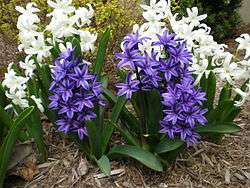
سنبل • (sombol)