ķemme
Latvian
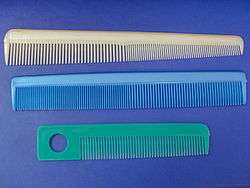
Ķemmes
Etymology
Borrowed from Livonian kamm, plural kämm, itself a borrowing from a Germanic language (compare German Kamm), from Proto-Germanic *kambaz, from Proto-Indo-European *ǵómbʰos (“tooth”) (whence also Latvian zobs (“tooth”)), from *ǵembʰ- (“to bite, chew”). The original meaning was probably “toothed object.” This term is first attested (as kammes, kemmes, the e form coming from the original Germanic plural, and also from the influence of simultaneously borrowed ķemmēt (“to comb”); compare German kämmen) in the 17th century, replacing the previous more general word suka (nowadays only “brush”).[1]
Pronunciation
- IPA(key): [cɛ̄mmɛ]
Noun
ķemme f (5th declension)
- comb (a toothed implement used for grooming one's hair)
- raga, koka ķemme ― horn, wooden comb
- metāla, kaula, plastmasas ķemme ― metal, bone, plastic comb
- bieza ķemme ― fine-tooth(ed) (lit. thick) comb
- reta ķemme ― wide-tooth(ed) (lit. rare, thin) comb
Declension
Declension of ķemme (5th declension)
Related terms
See also
References
- ↑ Karulis, Konstantīns. 1992, 2001. Latviešu etimoloģijas vārdnīca. Rīga: AVOTS. →ISBN.
This article is issued from
Wiktionary.
The text is licensed under Creative Commons - Attribution - Sharealike.
Additional terms may apply for the media files.