trono
Catalan
Verb
trono
- first-person singular present indicative form of tronar
Esperanto
Noun
trono (accusative singular tronon, plural tronoj, accusative plural tronojn)
Galician
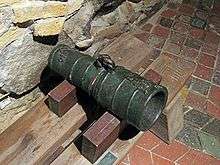
Etymology 1
From Old Portuguese [Term?] (compare Portuguese trom), from Latin tonus (“thunderclap; sound, tone”) (probably through a Late Latin or Vulgar Latin *tronus, with influence from tonitrus), from Ancient Greek τόνος (tónos, “tone”).
Pronunciation
- IPA(key): /ˈtɾɔno̝/, /ˈtɾono̝/
Noun
trono m (plural tronos)
- thunder
- (archaic, weaponry) bombard
- 1457, Fernando Tato Plaza (ed.), Libro de notas de Álvaro Pérez, notario da Terra de Rianxo e Postmarcos. Santiago: Concello da Cultura Galega, page 171:
- Hũu trono cõ seu serujdor e hũu fole de póluora
- A bombard with its server and a bag of powder
- Hũu trono cõ seu serujdor e hũu fole de póluora
- 1457, Fernando Tato Plaza (ed.), Libro de notas de Álvaro Pérez, notario da Terra de Rianxo e Postmarcos. Santiago: Concello da Cultura Galega, page 171:
Synonyms
- (thunder): tronido
Etymology 2
Borrowed from Latin thronus, from Ancient Greek θρόνος (thrónos).
Pronunciation
- IPA(key): /ˈtɾono̝/
Noun
trono m (plural tronos)
References
- “trono” in Dicionario de Dicionarios do galego medieval, SLI - ILGA 2006-2012.
- “trono” in Xavier Varela Barreiro & Xavier Gómez Guinovart: Corpus Xelmírez - Corpus lingüístico da Galicia medieval. SLI / Grupo TALG / ILG, 2006-2016.
- “trono” in Dicionario de Dicionarios da lingua galega, SLI - ILGA 2006-2013.
- “trono” in Álvarez, Rosario (coord.): Tesouro do léxico patrimonial galego e portugués, Santiago de Compostela: Instituto da Lingua Galega.
Ido
Etymology
From Esperanto trono, from English throne, French trône, German Thron, Italian trono, Spanish trono, Portuguese trono, Russian трон (tron), ultimately from Latin thronus, from Ancient Greek θρόνος (thrónos).
Noun
trono (plural troni)
Derived terms
|
|
|
Italian
Pronunciation
- IPA(key): /ˈtrɔ.no/, [ˈt̪r̺ɔːn̺o]
- Hyphenation: trò‧no
Etymology 1
From Latin thronus, from Ancient Greek θρόνος (thrónos, “seat, throne”).
Noun
trono m (plural troni)
Etymology 2
From Latin tonus, (probably through a Late Latin or Vulgar Latin *tronus, with confluence from tonitrus).
Noun
trono m (plural troni)
- Obsolete form of tuono.
- 1321, Dante Alighieri, La divina commedia: Paradiso, Le Monnier (2002), Canto XXI, p. 379 vv. 7, 10-12:
- «[...] [L]a bellezza mia [...], ¶ se non si temperasse, tanto splende, ¶ che 'l tuo mortal podere, al suo fulgore, ¶ sarebbe fronda che trono scoscende. [...]»
- «[...] My beauty [...], ¶ if it were tempered not, is so resplendent ¶ that all thy mortal power, in its effulgence, ¶ would seem a leaflet that the thunder crushes. [...]»
- «[...] [L]a bellezza mia [...], ¶ se non si temperasse, tanto splende, ¶ che 'l tuo mortal podere, al suo fulgore, ¶ sarebbe fronda che trono scoscende. [...]»
- 1321, Dante Alighieri, La divina commedia: Paradiso, Le Monnier (2002), Canto XXI, p. 379 vv. 7, 10-12:
See also
Anagrams
Portuguese

Etymology
From Old Portuguese trono (“throne”) (displacing trõo), borrowed from Latin thronus (“throne”), from Ancient Greek θρόνος (thrónos, “throne, seat”).
Pronunciation
Noun
trono m (plural tronos)
- throne (ornate seat)
- O rei sentou-se no seu trono dourado.
- The king sat on his golden throne.
- (figuratively) throne (the formal position of a sovereign)
- Ele é o herdeiro aparente do trono.
- He is the heir apparent of the throne.
- (Brazil, colloquial, humoristic) throne, toilet (ceramic bowl)
Spanish
Etymology
Borrowed from Latin thronus[1], from Ancient Greek θρόνος (thrónos).
Noun
trono m (plural tronos)