landscape
English

Alternative forms
Etymology
From an alteration (due to Dutch landschap) of earlier landskip, lantschip, from Middle English *landschippe, *landschapp, from Old English landscipe, landsceap (“region, district, tract of land”), equivalent to land + -ship; in some senses from Dutch landschap (“region, district, province, landscape”), from Middle Dutch landscap, lantscap (“region”), from Old Dutch *landskepi, *landskapi (“region”). Cognate with Scots landskape, landskep, landskip (“landscape”), West Frisian lânskip (“landscape”), Low German landschop (“landscape, district”), German Landschaft (“landscape, countryside, scenery”), Swedish landskap (“landscape, scenery, province”), Icelandic landskapur (“countryside”).
Pronunciation
- (UK) IPA(key): /ˈlandskeɪp/
Noun
landscape (plural landscapes)
- A portion of land or territory which the eye can comprehend in a single view, including all the objects it contains.
- A picture representing a scene by land or sea, actual or fancied, the chief subject being the general aspect of nature, as fields, hills, forests, water. etc.
- The pictorial aspect of a country.
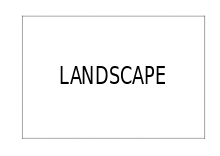
- (printing) a mode of printing where the horizontal sides are longer than the vertical sides
- A space, indoor or outdoor and natural or man-made (as in "designed landscape")
- (figuratively) a situation that is presented, a scenario
- The software patent landscape has changed considerably in the last years
Antonyms
- (printing mode): portrait
Meronyms
- See also Thesaurus:landscape
Derived terms
Translations
|
|
|
|
|
- The translations below need to be checked and inserted above into the appropriate translation tables, removing any numbers. Numbers do not necessarily match those in definitions. See instructions at Wiktionary:Entry layout#Translations.
Verb
landscape (third-person singular simple present landscapes, present participle landscaping, simple past and past participle landscaped)
- Create or maintain a landscape.
Translations
|