duque
Portuguese
Etymology
From Old Portuguese duc (“duke”), borrowed from Old French duc (“duke”), from Latin dux (“ruler”), from dūcō (“I lead”), from Proto-Indo-European *dewk-.
Pronunciation
- (Portugal) IPA(key): /ˈdu.kɨ/
- (Brazil) IPA(key): /ˈdu.ki/
- (South Brazil) IPA(key): /ˈdu.ke/
- Hyphenation: du‧que
Noun
duque m (plural duques, feminine duquesa, feminine plural duquesas)
- duke (male ruler of a duchy)
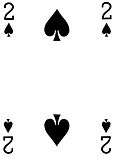
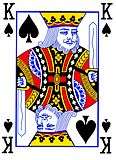
- (card games) deuce (a card with two spots)
Derived terms
Related terms
See also
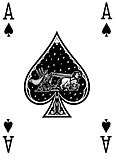
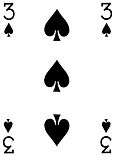
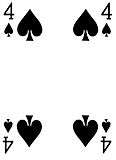
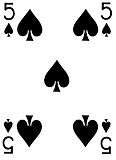
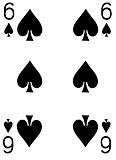
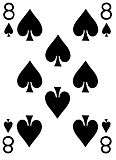
| Playing cards in Portuguese · cartas de baralho (layout · text) | ||||||
|---|---|---|---|---|---|---|
 |
 |
 |
 |
 |
 |
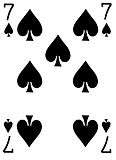 |
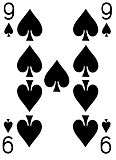
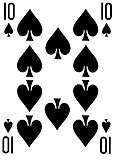
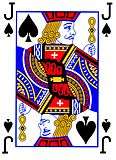
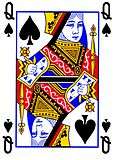
| ás | dois, duque | três, terno | quatro, quadra | cinco, quina | seis, sena | sete, manilha |
 |
 |
 |
 |
 |
 |
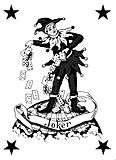 |
| oito | nove | dez | valete | dama | rei | jóquer, joker, coringa, curinga |
Spanish
Etymology
Borrowed from Old French duc, from Latin dux. Doublet of dux.
Noun
duque m (plural duques)
Related terms
This article is issued from
Wiktionary.
The text is licensed under Creative Commons - Attribution - Sharealike.
Additional terms may apply for the media files.