aita
Basque
Pronunciation
- IPA(key): /aiˈta/
-
Audio (file)
Noun
aita
Declension
"aita"
| |||||||||||||||||||||||||||||||||||||||||||||||||||||||||||||||||||||||||||
Related terms
|
Finnish
Etymology
From Proto-Finnic *aita. Cognate with Karelian aidu, Estonian aed.
Pronunciation
- IPA(key): [ˈɑit̪ɑ]
- Rhymes: -ɑitɑ
- Hyphenation: ai‧ta
Noun
aita
Declension
| Inflection of aita (Kotus type 9/kala, t-d gradation) | |||
|---|---|---|---|
| nominative | aita | aidat | |
| genitive | aidan | aitojen | |
| partitive | aitaa | aitoja | |
| illative | aitaan | aitoihin | |
| singular | plural | ||
| nominative | aita | aidat | |
| accusative | nom. | aita | aidat |
| gen. | aidan | ||
| genitive | aidan | aitojen aitainrare | |
| partitive | aitaa | aitoja | |
| inessive | aidassa | aidoissa | |
| elative | aidasta | aidoista | |
| illative | aitaan | aitoihin | |
| adessive | aidalla | aidoilla | |
| ablative | aidalta | aidoilta | |
| allative | aidalle | aidoille | |
| essive | aitana | aitoina | |
| translative | aidaksi | aidoiksi | |
| instructive | — | aidoin | |
| abessive | aidatta | aidoitta | |
| comitative | — | aitoineen | |
Derived terms
Compounds
- meluaita
- orapihlaja-aita
- paaluaita
- panssariverkkoaita
- pensasaita
- piikkilanka-aita
- poroaita
- raja-aita
Italian
Verb
aita
Latvian
Etymology
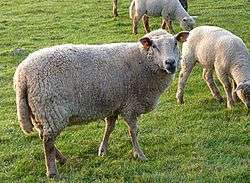
From Proto-Baltic *aitā, from Proto-Indo-European *ey-, *oy- (“to go”) (cf. iet) with an extra syllable tā. The original meaning was thus “goer, one that goes (around),” a common source of words for “sheep” (cf. Russian, Belarusian, Ukrainian баран (baran), a borrowing from Proto-Turkic *baran (“one that goes”)). An alternative theory, which derives aita from the diminutive avitiņa of dated avs (“sheep”) is less likely to be correct, since the avi > ai change would be irregular. Cognates include Lithuanian áita (feminine), áitas (“one who walks around a lot; restless person”) (masculine), Old Prussian aytegenis (“small (quick, restless) woodpecker”), Russian dialectal етенька (jetenʹka, “name used to call sheep”) (from *ěta- (*ěta-) < *ait- (*ait-)), Hittite 𒇻 (iyant-, “sheep”) (lit. “goer, one that goes”).[1]
Pronunciation
- IPA(key): [àjta]
| (file) |
Noun
aita f (4th declension)
- sheep (esp. Ovis aries; generic word)
- mājas aita ― domestic sheep
- aitu gans ― sheep herd (shepherd, person)
- aitu suns ― sheep dog (shepherd, dog breed)
- cirpt aitas ― to shear the sheep
-
Usage notes
The term aita is more frequent than avs, both as a generic and as the specific name of the female.
Declension
See also
References
- ↑ Karulis, Konstantīns (1992), “aita”, in Latviešu Etimoloģijas Vārdnīca (in Latvian), Rīga: AVOTS, →ISBN
Polabian
Etymology
From Proto-Slavic *otьcь, from Proto-Indo-European *átta.
Noun
aita
Spanish
Etymology
Noun
aita m (plural aitas)
Votic
Etymology
From Proto-Finnic *aita.
Noun
aita (genitive aďďaa, partitive [please provide])
Inflection
This noun needs an inflection-table template.
References
- "aita" in Vadja keele sõnaraamat