بعير
Arabic
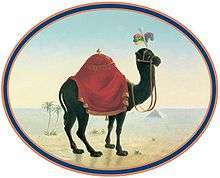
بَعِير
Etymology
From Proto-Semitic. Compare Classical Syriac ܒܥܝܪܐ (baʿīrā, “sheep, cattle”), Hebrew בְּעִיר (bəʿīr, “cattle”), Ugaritic 𐎛𐎁𐎗 (ỉbr, “bull”), Ge'ez ብዕር (bəʿər, “ox, horned cattle”), Old South Arabian 𐩨𐩲𐩧 (bʿr, “cattle”), Akkadian 𒀫 (būru-, “calf”).
Pronunciation
- IPA(key): /ba.ʕiːr/
Noun
بَعِير • (baʿīr) m (plural أَبْعِرَة (ʾabʿira) or بُعْرَان (buʿrān) or أَبَاعِر (ʾabāʿir) or بَعَارِين (baʿārīn))
- camel
-
- قَالُوا نَفْقِدُ صُوَاعَ الْمَلِكِ وَلِمَن جَاءَ بِهِ حِمْلُ بَعِيرٍ وَأَنَا بِهِ زَعِيمٌ
- qālū nafqidu ṣuwāʿa l-maliki waliman jāʾa bihi ḥimlu baʿīrin waʾanā bihi zaʿīmun
- They said: “We are missing the stoop of the king. And for he who brings it there will be [the reward of] a camel’s load, and I guarantee it.”
-
Declension
Declension of noun بَعِير (baʿīr)
| Singular | basic singular triptote | ||
|---|---|---|---|
| Indefinite | Definite | Construct | |
| Informal | بَعِير baʿīr |
الْبَعِير al-baʿīr |
بَعِير baʿīr |
| Nominative | بَعِيرٌ baʿīrun |
الْبَعِيرُ al-baʿīru |
بَعِيرُ baʿīru |
| Accusative | بَعِيرًا baʿīran |
الْبَعِيرَ al-baʿīra |
بَعِيرَ baʿīra |
| Genitive | بَعِيرٍ baʿīrin |
الْبَعِيرِ al-baʿīri |
بَعِيرِ baʿīri |
| Dual | Indefinite | Definite | Construct |
| Informal | بَعِيرَيْن baʿīrayn |
الْبَعِيرَيْن al-baʿīrayn |
بَعِيرَيْ baʿīray |
| Nominative | بَعِيرَانِ baʿīrāni |
الْبَعِيرَانِ al-baʿīrāni |
بَعِيرَا baʿīrā |
| Accusative | بَعِيرَيْنِ baʿīrayni |
الْبَعِيرَيْنِ al-baʿīrayni |
بَعِيرَيْ baʿīray |
| Genitive | بَعِيرَيْنِ baʿīrayni |
الْبَعِيرَيْنِ al-baʿīrayni |
بَعِيرَيْ baʿīray |
| Plural | broken plural triptote in ـَة (-a); basic broken plural triptote; basic broken plural diptote | ||
| Indefinite | Definite | Construct | |
| Informal | أَبْعِرَة; بُعْرَان; أَبَاعِر; بَعَارِين ʾabʿira; buʿrān; ʾabāʿir; baʿārīn |
الْأَبْعِرَة; الْبُعْرَان; الْأَبَاعِر; الْبَعَارِين al-ʾabʿira; al-buʿrān; al-ʾabāʿir; al-baʿārīn |
أَبْعِرَة; بُعْرَان; أَبَاعِر; بَعَارِين ʾabʿirat; buʿrān; ʾabāʿir; baʿārīn |
| Nominative | أَبْعِرَةٌ; بُعْرَانٌ; أَبَاعِرُ; بَعَارِينُ ʾabʿiratun; buʿrānun; ʾabāʿiru; baʿārīnu |
الْأَبْعِرَةُ; الْبُعْرَانُ; الْأَبَاعِرُ; الْبَعَارِينُ al-ʾabʿiratu; al-buʿrānu; al-ʾabāʿiru; al-baʿārīnu |
أَبْعِرَةُ; بُعْرَانُ; أَبَاعِرُ; بَعَارِينُ ʾabʿiratu; buʿrānu; ʾabāʿiru; baʿārīnu |
| Accusative | أَبْعِرَةً; بُعْرَانًا; أَبَاعِرَ; بَعَارِينَ ʾabʿiratan; buʿrānan; ʾabāʿira; baʿārīna |
الْأَبْعِرَةَ; الْبُعْرَانَ; الْأَبَاعِرَ; الْبَعَارِينَ al-ʾabʿirata; al-buʿrāna; al-ʾabāʿira; al-baʿārīna |
أَبْعِرَةَ; بُعْرَانَ; أَبَاعِرَ; بَعَارِينَ ʾabʿirata; buʿrāna; ʾabāʿira; baʿārīna |
| Genitive | أَبْعِرَةٍ; بُعْرَانٍ; أَبَاعِرَ; بَعَارِينَ ʾabʿiratin; buʿrānin; ʾabāʿira; baʿārīna |
الْأَبْعِرَةِ; الْبُعْرَانِ; الْأَبَاعِرِ; الْبَعَارِينِ al-ʾabʿirati; al-buʿrāni; al-ʾabāʿiri; al-baʿārīni |
أَبْعِرَةِ; بُعْرَانِ; أَبَاعِرِ; بَعَارِينِ ʾabʿirati; buʿrāni; ʾabāʿiri; baʿārīni |
References
- Behnstedt, Peter; Woidich, Manfred, editors (2010) Wortatlas der arabischen Dialekte – Band I: Mensch, Natur, Fauna und Flora (Handbook of Oriental Studies – Handbuch der Orientalistik; 100) (in German), Leiden: Brill, pages 303–308
This article is issued from
Wiktionary.
The text is licensed under Creative Commons - Attribution - Sharealike.
Additional terms may apply for the media files.