إستونيا
Arabic
Pronunciation
- IPA(key): /ʔis.toː.ni.jaː/
Proper noun
إِسْتُونِيَا • (ʾistōniyā) f
Declension
Declension of noun إِسْتُونِيَا (ʾistōniyā)
| Singular | singular invariable | ||
|---|---|---|---|
| Indefinite | Definite | Construct | |
| Informal | — | إِسْتُونِيَا ʾistōniyā |
— |
| Nominative | — | إِسْتُونِيَا ʾistōniyā |
— |
| Accusative | — | إِسْتُونِيَا ʾistōniyā |
— |
| Genitive | — | إِسْتُونِيَا ʾistōniyā |
— |
Related terms
- إِسْتُونِيّ (ʾistōniyy)
References
- Wehr, Hans (1979), “إستونيا”, in J. Milton Cowan, editor, A Dictionary of Modern Written Arabic, 4th edition, Ithaca, NY: Spoken Language Services, →ISBN
Hijazi Arabic
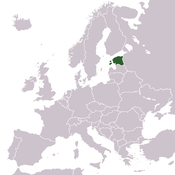
إستونيا

عَلَم إستونيا
Etymology
From Medieval Latin Estonia, possibly derived from the tribal name Aesti described by the Roman historian Tacitus in his Germania (ca. 98 AD).
Pronunciation
- IPA(key): /ʔisˈtoːnja/, [ʔe̞sˈto̞ːnja], [ʔɪsˈto̞ːnja]
Proper noun
إستونيا • (ʾistōnya) f
Synonyms
- جمهورية إستونيا (jumhūriyyat ʾistōnya, “Republic of Estonia”)
Related terms
- إستوني (ʾistōni, “Estonian (Masculine)”)
- إستونية (ʾistōniyya, “Estonian (Feminine)”)
This article is issued from
Wiktionary.
The text is licensed under Creative Commons - Attribution - Sharealike.
Additional terms may apply for the media files.